
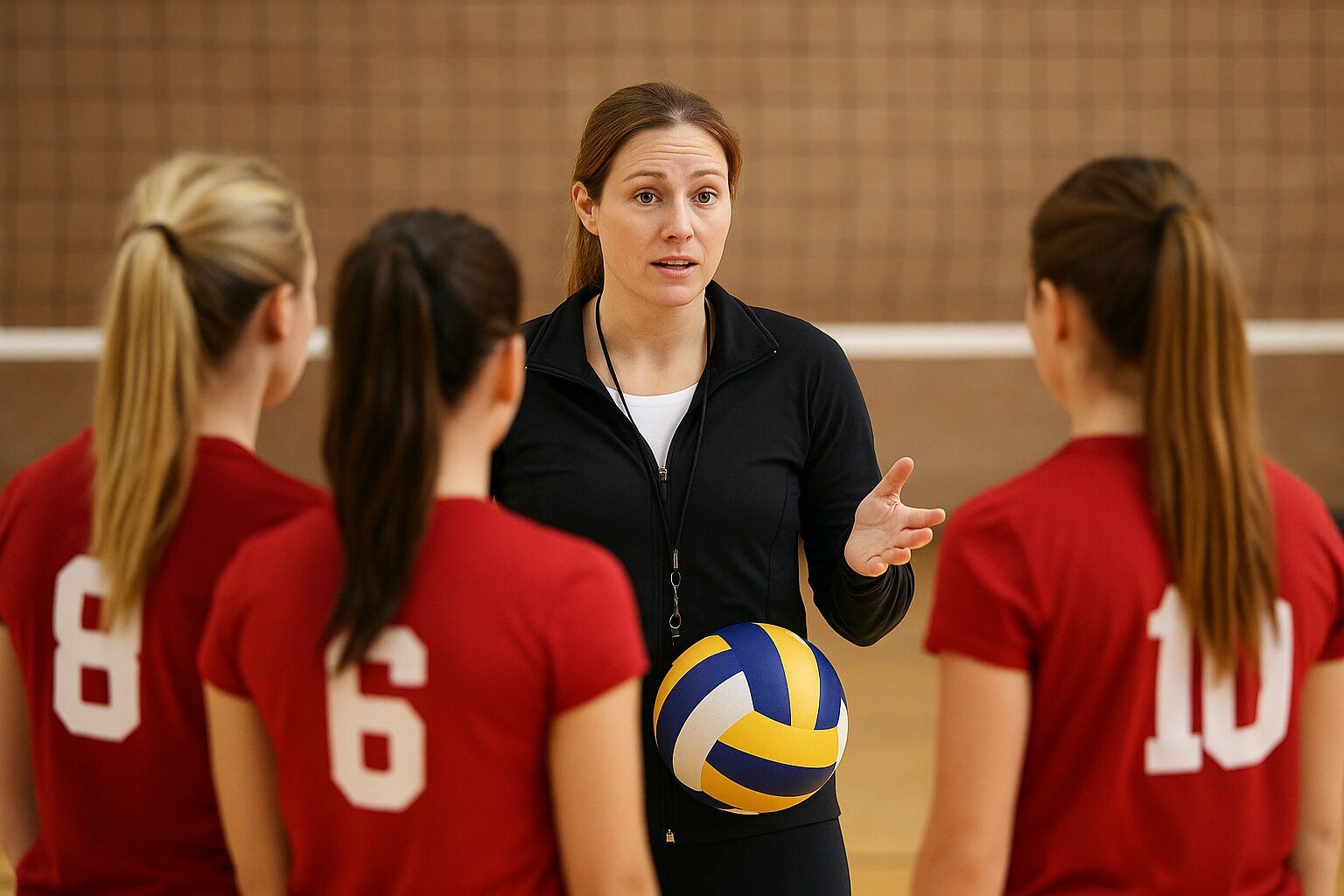
The way a coach communicates, leads, and interacts with athletes plays a big role in performance and development. While every coach has a unique personality, most coaching styles fall into three broad categories: command, democratic, and holistic. Understanding these styles helps coaches adapt to different athletes, goals, and situations.
Command Style (Authoritarian)
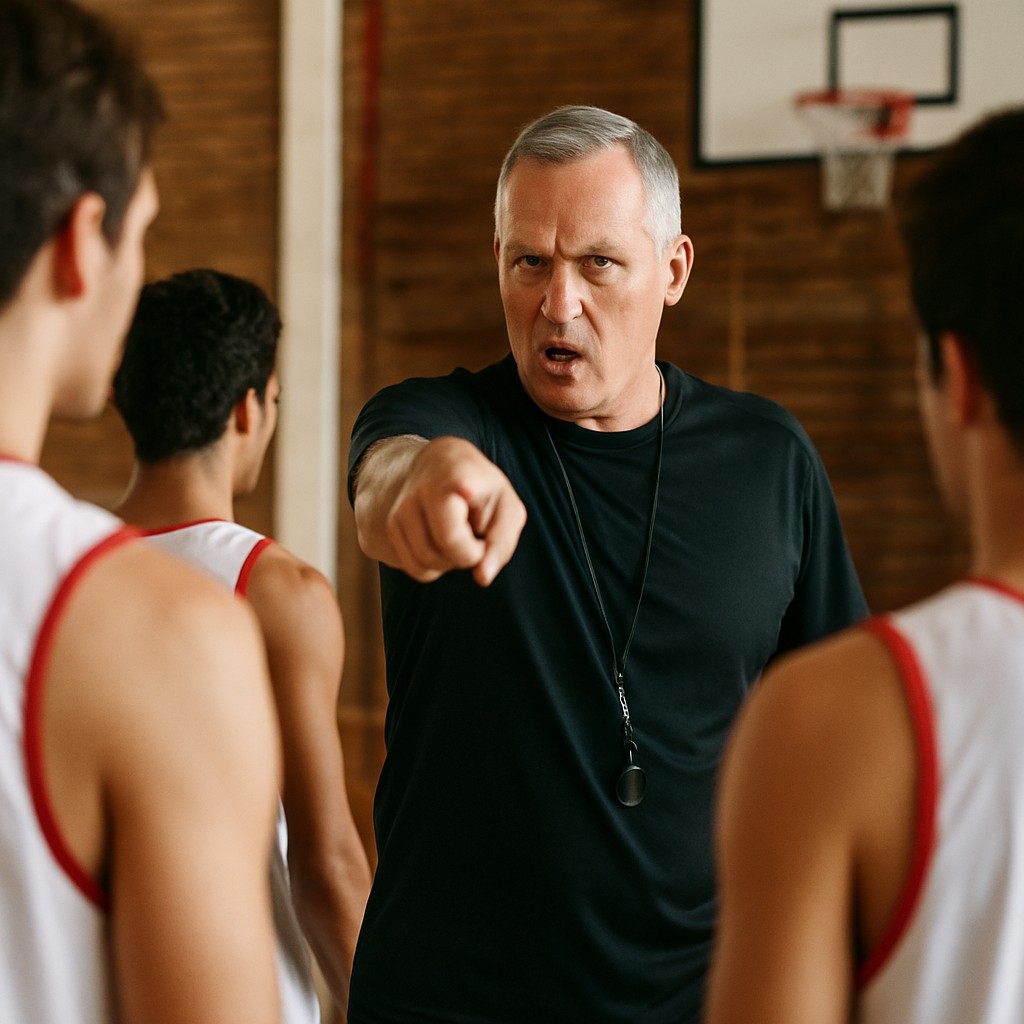
This style is coach centered. The coach makes all the decisions, gives direct instructions, and expects athletes to follow without debate.
Best For:
– Beginners who need structure
– Safety-focused environments
– Time-limited sessions
Advantages:
– Fast decision-making
– Clear roles and expectations
– Strong team discipline
Challenges:
– Low athlete independence
– Can reduce creativity and motivation if overused
Democratic Style (Cooperative

This approach involves athletes in decisions. The coach encourages discussion, feedback, and shared goal setting.
Best For:
– Experienced or older athletes
– Building leadership and ownership
– Team building and trust
Advantages:
– Greater athlete engagement and motivation
– Encourages independent thinking
– Builds communication skills
Challenges:
– Time-consuming
– May not work well in emergencies or high-pressure situations
Holistic Style (Person-Centered)
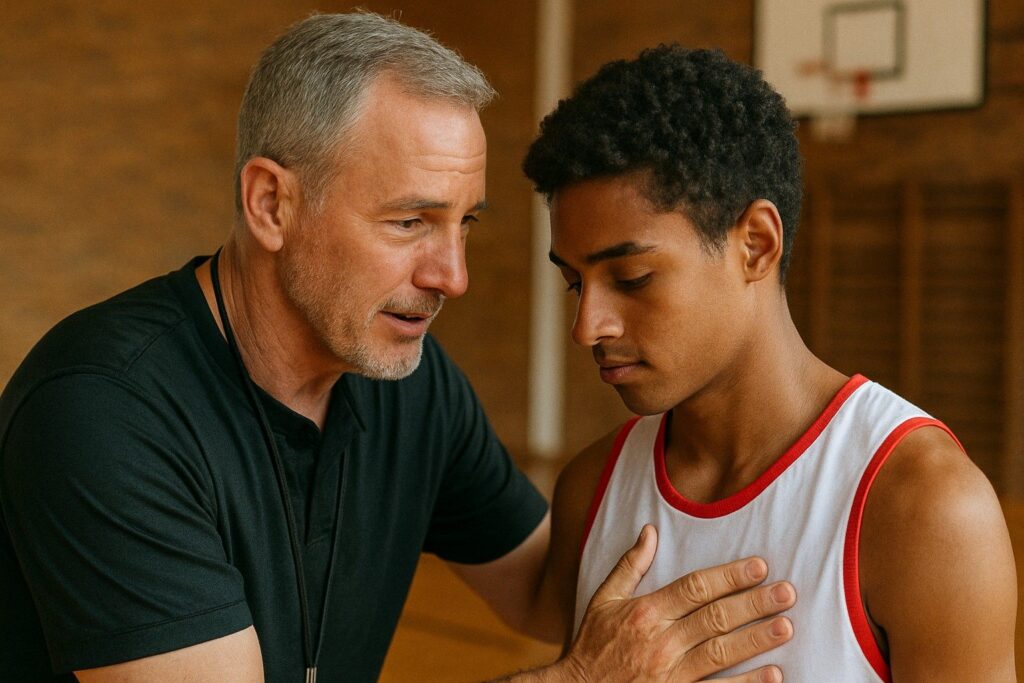
This style emphasizes the whole athlete-not just skills and tactics, but emotional, mental, and social
development.
Best For:
– Youth development programs
– Athletes dealing with personal challenges
– Long-term development plans
Advantages:
– Builds confidence and resilience
– Encourages self-awareness and balance
– Strengthens trust between coach and athlete
Challenges:
– Requires deep individual attention
– Progress may be slower at first
Adapting Your Style
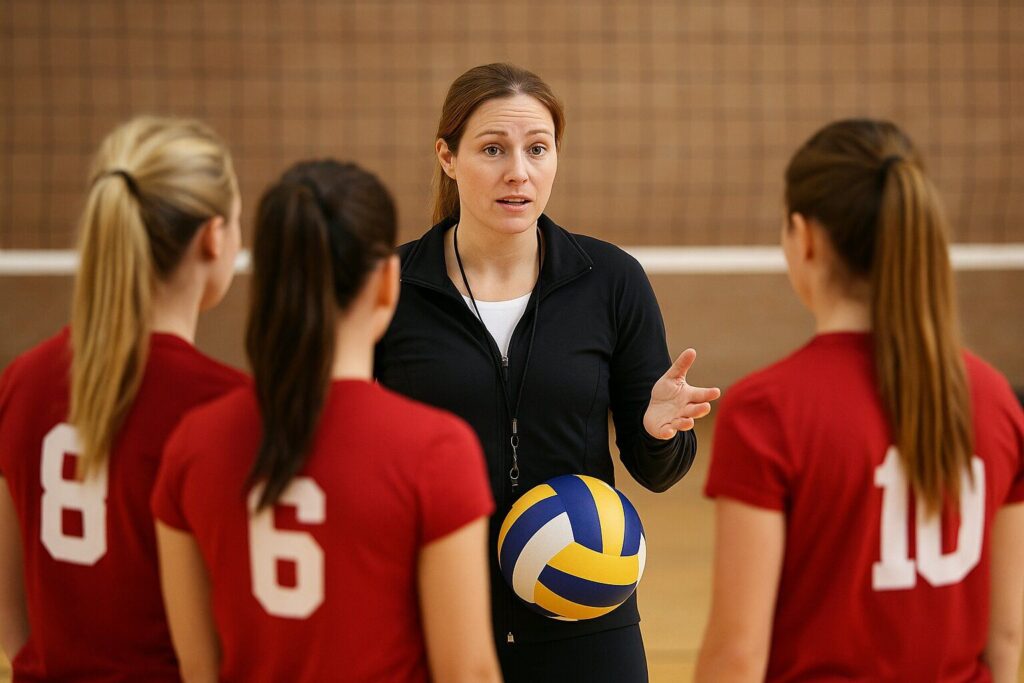
Most great coaches use a mix of styles depending on:
– The age and skill level of the athletes
– The sport or setting (recreational, competitive, elite)
– The goals of the session (learning, performance, recovery