
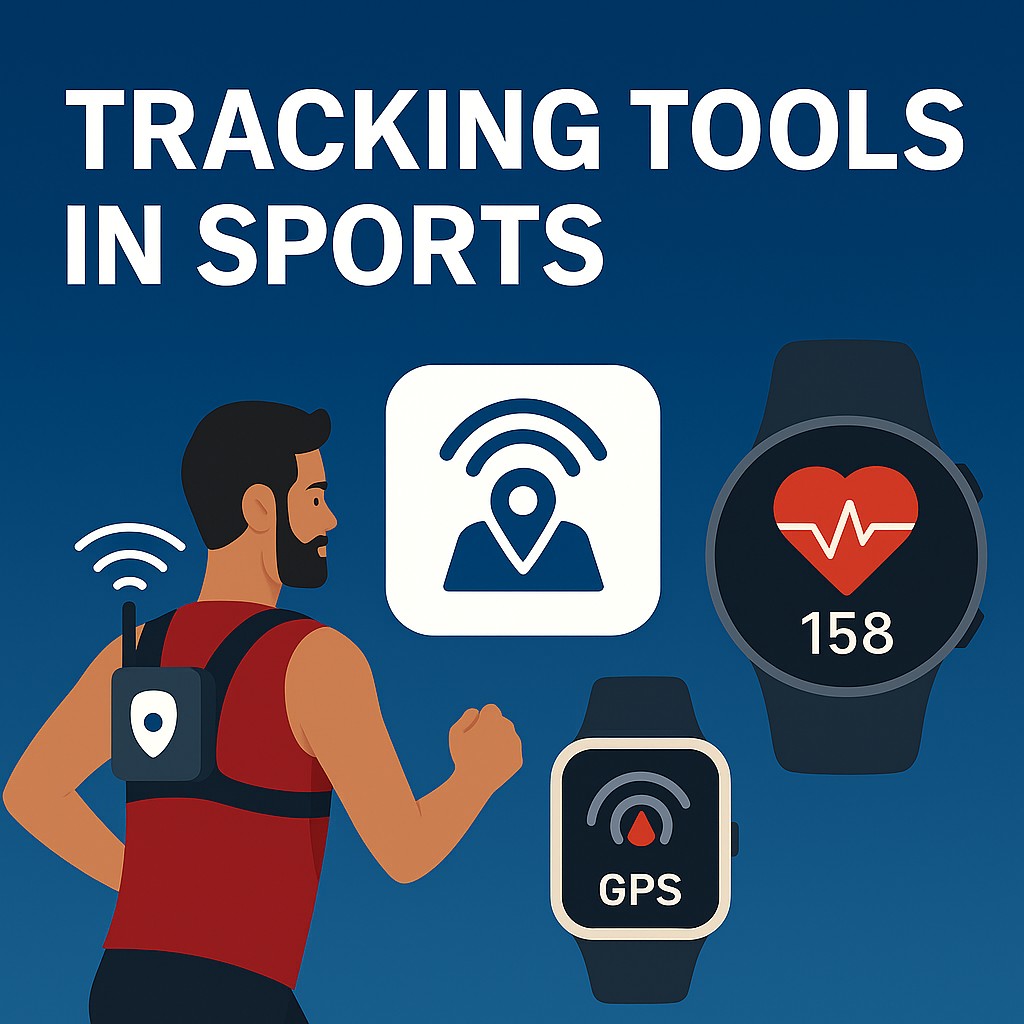
In today’s performance-driven sports world, data reigns supreme. Coaches and athletes harness GPS trackers and heart rate (HR) monitors to train smarter, monitor fatigue, and prevent injury. Here’s how these tools work and why they’re indispensable.
Introduction
Wearable tracking devices have revolutionized athletic training by delivering real‑time insights into movement patterns, physiological strain, and recovery needs. From pitch to track, data guides every decision.
Key Concepts
1. GPS Trackers
GPS devices—often worn in a tight‑fitting vest—record position, speed, distance, and acceleration profiles.
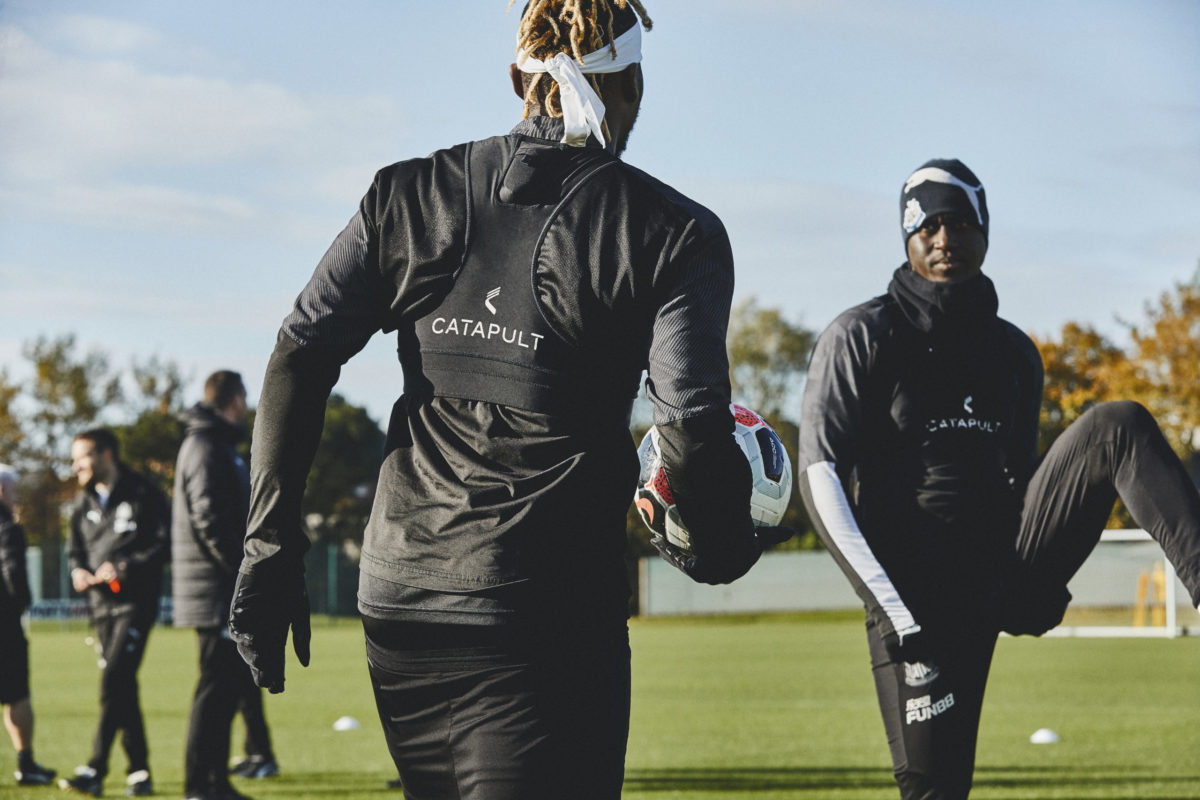
Athletes wear GPS‑embedded vests to capture precise movement metrics during training.
Benefits:
Measures sprint count and top speed
Monitors total distance and movement zones
Identifies deceleration spikes linked to fatigue
2. Heart Rate Monitors
HR monitors, via chest straps or wrist‑worn smartwatches, track beats per minute (BPM) to gauge exercise intensity.

Smartwatches and chest straps track real‑time heart rate, keeping athletes in target training zones.
Benefits:
Ensures workouts stay within aerobic/anaerobic zones
Detects elevated resting HR as a sign of overtraining
Guides interval and recovery protocols
3. Data Integration & Analysis
Collecting data is only half the battle—analysis turns numbers into actionable insights. Platforms sync GPS and HR data into dashboards, highlighting trends and anomalies.
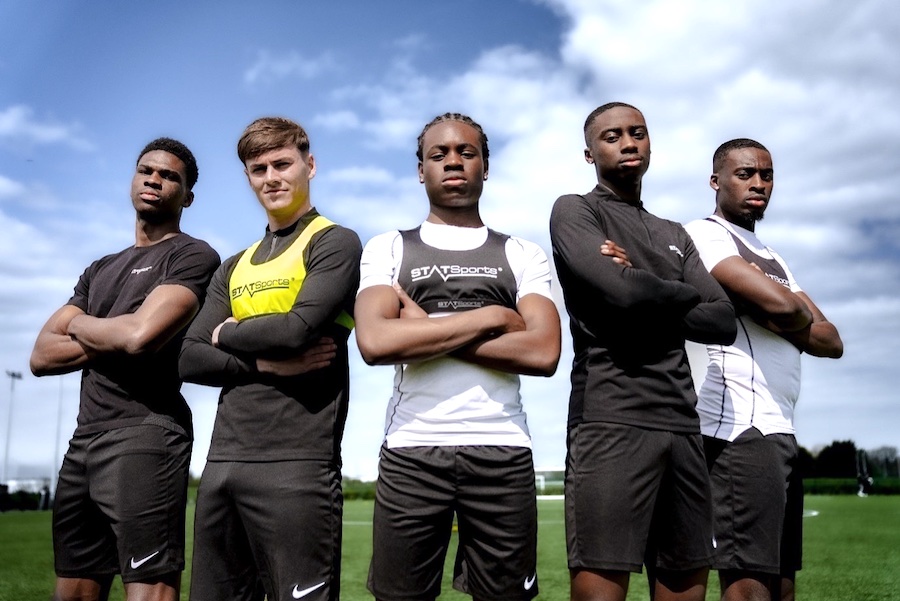
Sport scientists review integrated GPS and HR dashboards to personalize training loads.
4. Rehabilitation & Return‑to‑Play
During rehab, controlled GPS and HR metrics inform safe progression back to full training, minimizing reinjury risk.
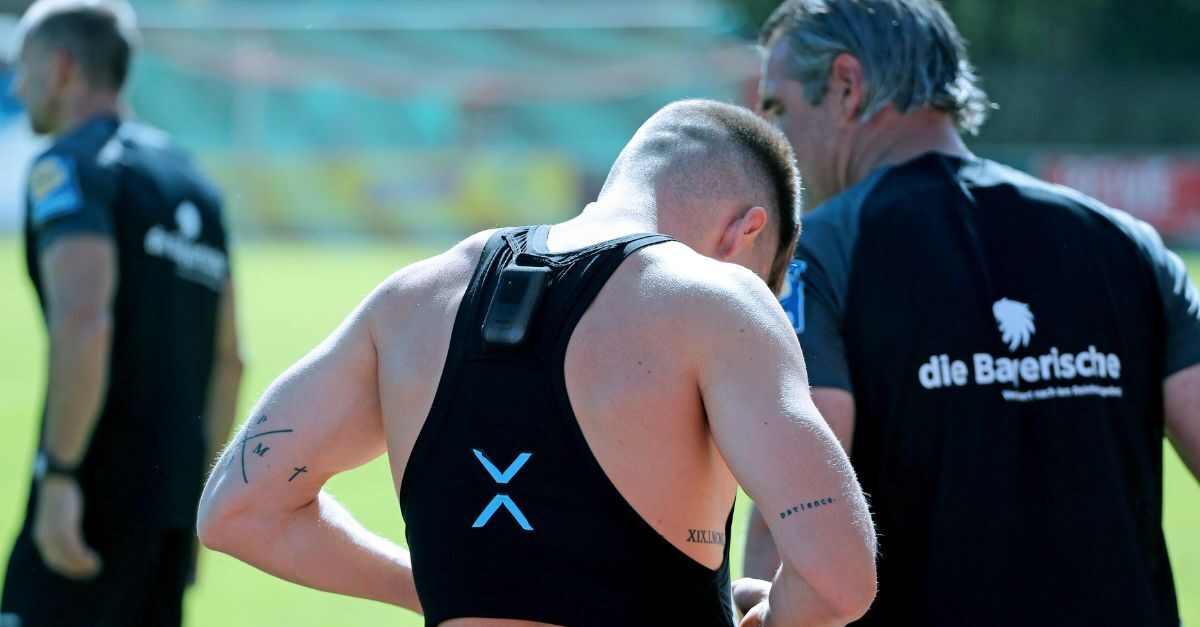
Physiotherapists use tracking data to tailor return‑to‑play protocols after injury.
Examples in Sport
Soccer: GPS helps manage player loads across 90‑minute matches.
Running: HR zones dictate pacing strategies for marathons.
Rugby: Combined GPS and HR metrics prevent collision‑induced fatigue.
GPS and HR monitors empower coaches and athletes with precise performance and recovery insights. Integrating these tools effectively drives smarter training, safer rehab, and peak competition readiness.