
In recent years, technological innovations have dramatically broadened opportunities for athletes with disabilities and those training remotely. From advanced prosthetics that mimic natural movement to virtual reality platforms enabling real‑time coaching across continents, these tools not only enhance athletic performance but also foster inclusion and independence. Below is a ready‑to‑copy‑and‑paste Markdown article complete with images.
1. Wearable and Sensor Technologies
An example of a sensor‑embedded wearable system for monitoring performance.
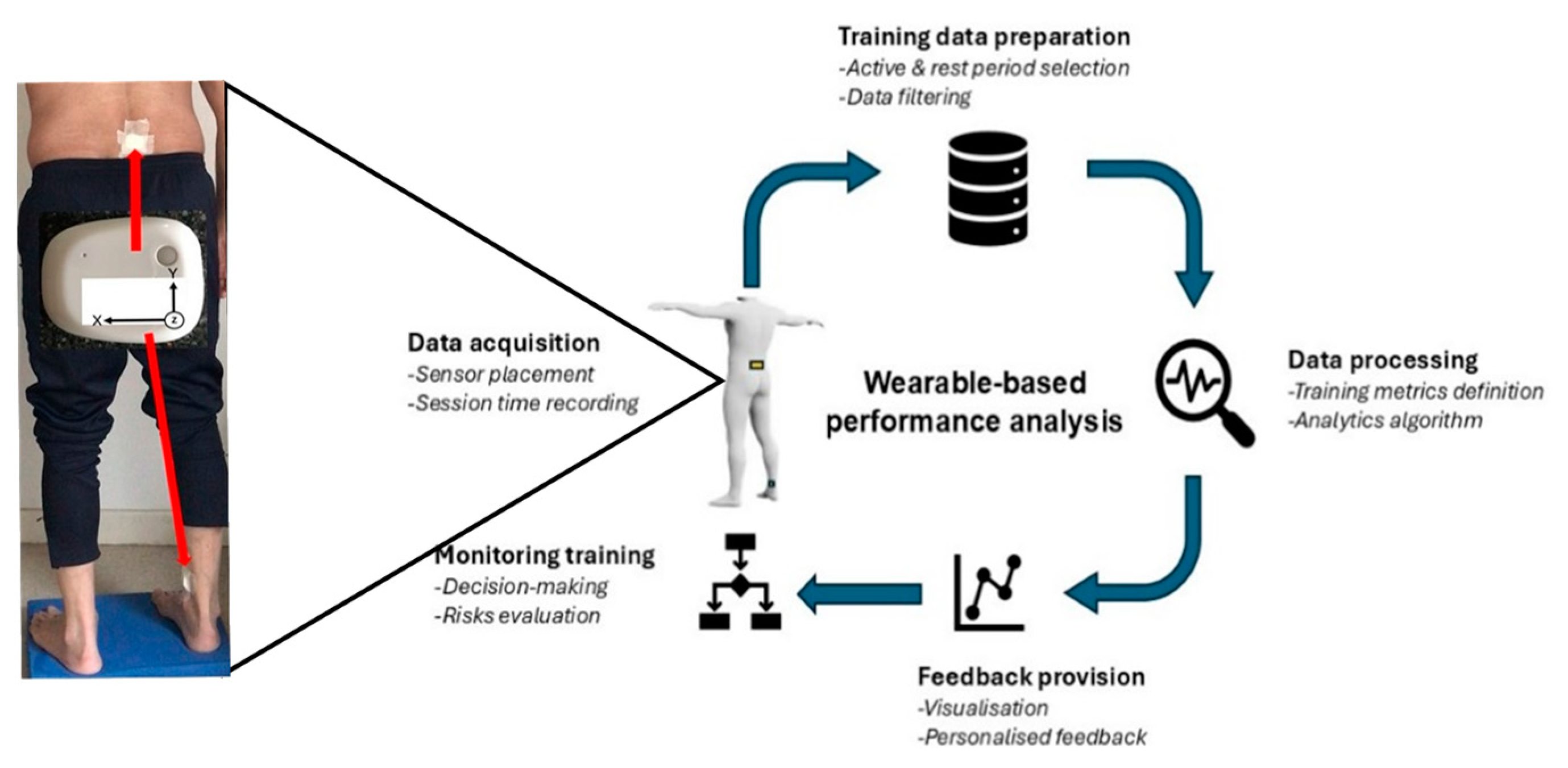
Wearable devices equipped with accelerometers, pressure sensors, and GPS trackers deliver real‑time data on heart rate, motion, and biomechanics. For example, sensor‑embedded smart prosthetics provide feedback on gait symmetry and loading, allowing athletes to refine technique and reduce injury risk.
2. Adaptive Equipment and Prosthetics
Configuration of inertial sensors on an adaptive racing wheelchair.

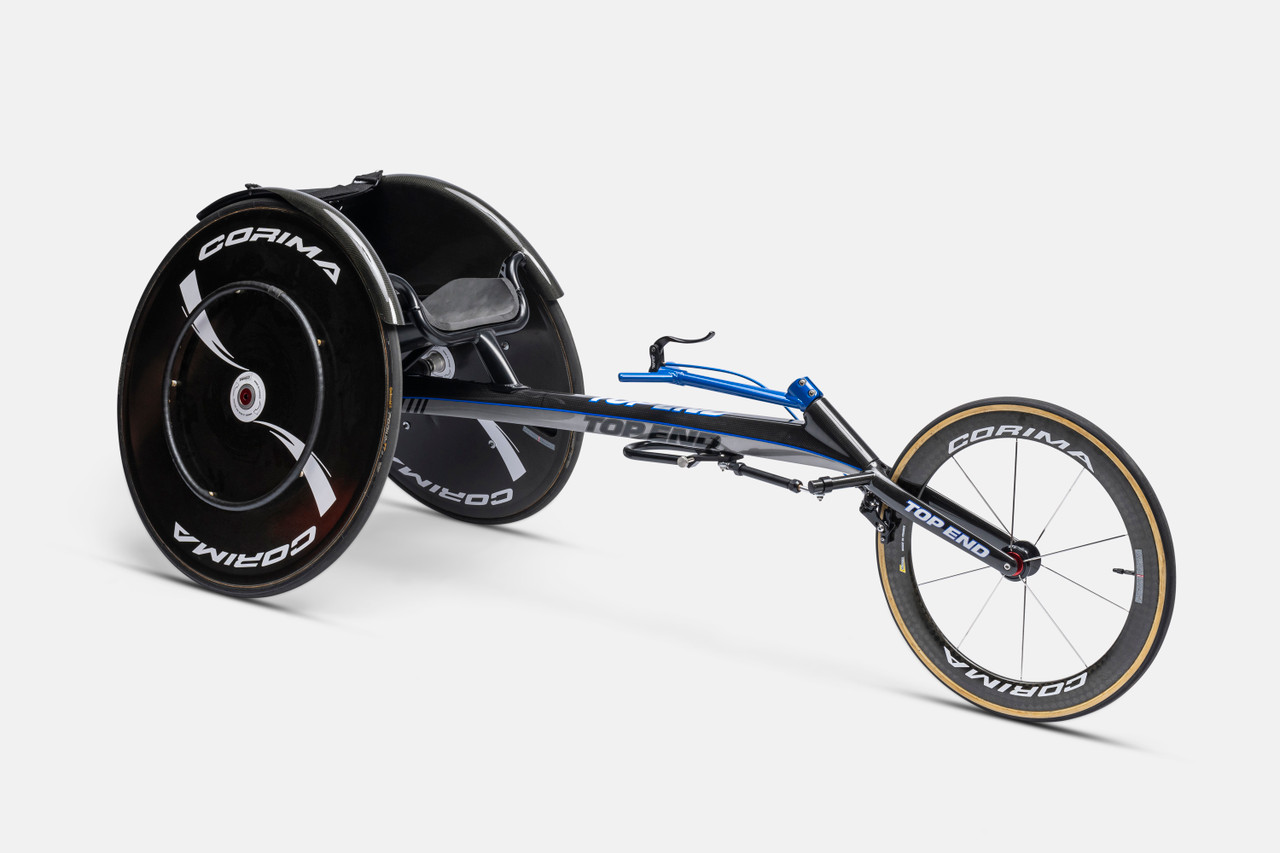
Running blades made from carbon fiber enable amputee sprinters to achieve remarkable speeds, while customized racing wheelchairs are tailored for optimal ergonomics and aerodynamics. The Eliminator NRG Racing Wheelchair is one such example of cutting‑edge design in adaptive sports gear.
Eliminator NRG Racing Wheelchair by Top End®.

3. Virtual and Remote Coaching Platforms
Virtual reality (VR) applications simulate sporting environments—such as a tennis court or cycling route—enabling remote athletes to practice technique and strategy from home. Platforms integrate motion capture and haptic feedback, delivering immersive, coach‑led sessions that mirror in‑person training.
4. Data Analytics and Artificial Intelligence
Wearable continuous glucose monitors for metabolic and performance tracking.
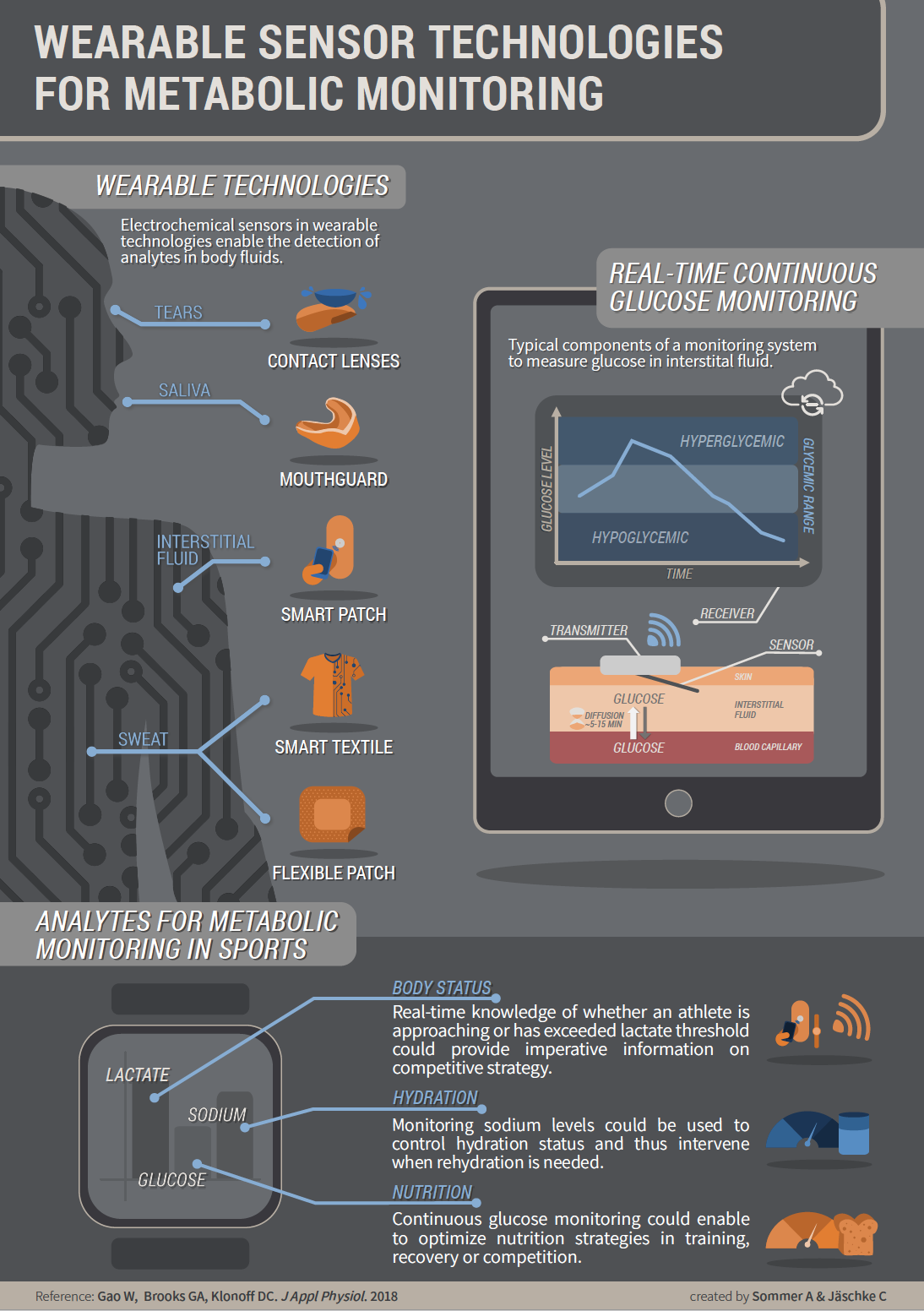
AI platforms analyze vast datasets—from biomechanics to nutrition and sleep patterns—to generate personalized training plans. Cloud‑connected wearables transmit biometric data to coaches and medical staff, enabling real‑time monitoring of training loads and recovery.
Challenges and Future Directions
Cost & Accessibility: Specialized devices can be expensive. Subsidies and mass‑production will be key.
Universal Design: Modular, upgradable platforms extend product life and adaptability.
Global Reach: Expanding high‑speed internet and VR access in underserved regions will democratize remote training.
Ethical Considerations: Safeguarding athlete data and ensuring fair competition remain paramount.
.