
Early pioneers and milestones
In 1900, women first competed at the Olympic Games in sports like tennis, sailing, golf, and croquet; Charlotte Cooper won the first women’s Olympic gold medal The Daily Northwestern+12Encyclopedia Britannica+12San Francisco Chronicle Projects+12.
In 1921, Alice Milliat organized the first international female sports event, the Women’s Olympiad in Monte Carlo. Her efforts led to the formation of the FSFI and the Women’s World Games from 1922 to 1934 Wikipedia+3Wikipedia+3Wikipedia+3.
In 1926, Gertrude Ederle became the first woman to swim the English Channel—faster than the previous men’s record SI+2Encyclopedia Britannica+2Los Angeles Times+2.
Breaking social barriers & expanding opportunities
In 1927, Kathrine Switzer famously ran the Boston Marathon as the first registered woman despite officials’ objections—and inspired eventual inclusion in 1972 San Francisco Chronicle Projects+3Encyclopedia Britannica+3TrackGirlz+3.
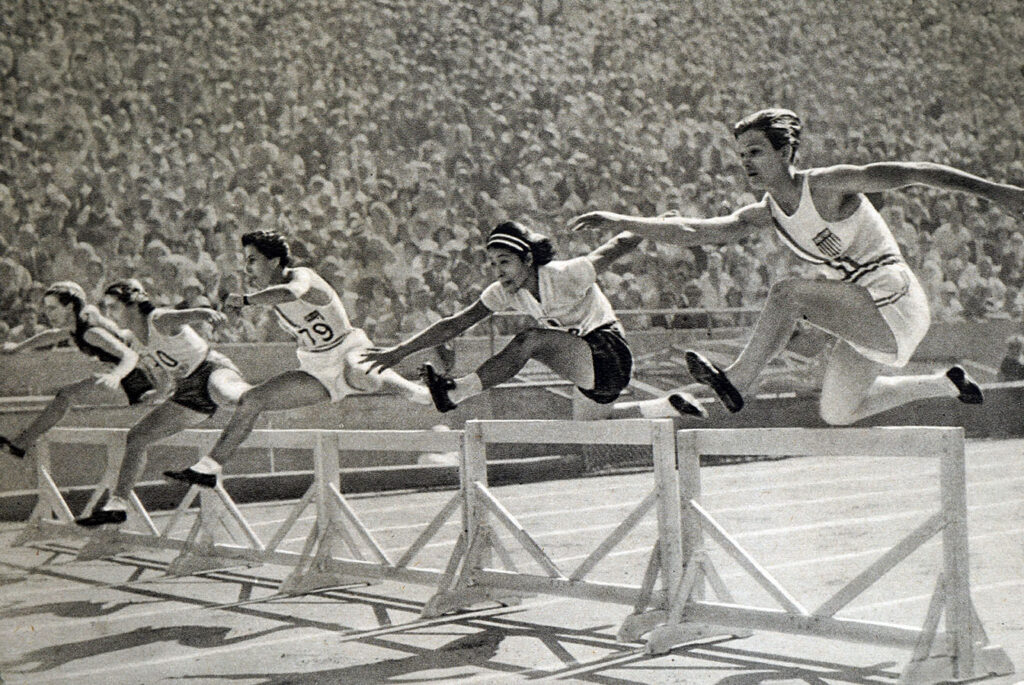
Babe Didrikson Zaharias redefined multi-sport excellence in the 1930s, taking Olympic golds in track and field and later dominating golf and founding the LPGA Encyclopedia Britannica+2SI+2Los Angeles Times+2.
Althea Gibson became the first African American Grand Slam tennis champion in 1956, breaking significant racial and gender barriers SI+1Los Angeles Times+1.
Title IX and institutional transformation
The 1972 Title IX legislation in the U.S. prohibited sex-based discrimination in federally funded education, triggering an explosion of girls’ participation—from 300,000 to over 3 million in high school sports, and NCAA women’s athlete numbers rising from ~30,000 to ~230,000+ by 2023–24 NCAA.org+5SI+5American Public University+5.
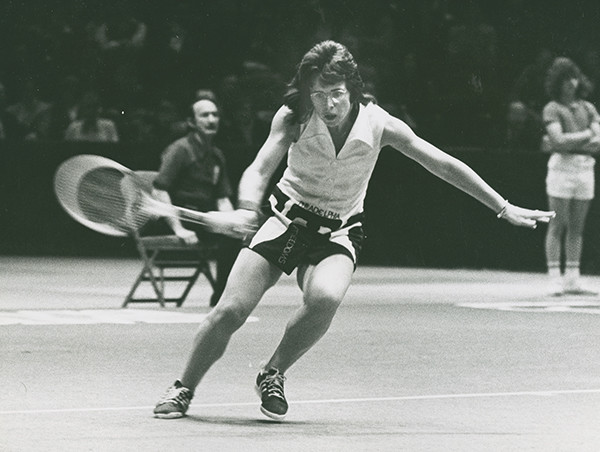
A landmark moment was Billie Jean King’s 1973 “Battle of the Sexes”, watched by 90 million people—transforming public perception and propelling the women’s movement forward SI.
Pro leagues and visibility gains
The WNBA, founded in 1996, became the most enduring professional women’s basketball league with full NBA backing World Economic Forum+3Wikipedia+3Los Angeles Times+3.
The 1999 FIFA Women’s World Cup final, won by the U.S., drew over 90,000 fans and record-breaking television viewership—boosting interest in women’s soccer globally Wikipedia.
Modern momentum & booming growth
At the 2024 Paris Olympics, gender parity was achieved for the first time in athlete participation TrackGirlz.
Women’s elite sports revenues climbed from ~$692 M in 2022 to ~$1.88 B in 2024, with projections of over $2.35 B by 2025; commercial income now drives more than half of that total Deloitte.
Spectatorship and sponsorship soared: WNBA viewership up 170%, NCAA Women’s Basketball peaking at 24M viewers, NWSL attendance records, PWHL debut viewership tracking high, and women’s volleyball achieving record crowds of ~92,000 blog.tradablebits.com+1World Economic Forum+1.
Participation trends in U.S. collegiate sports (2023–24)
| Metric | Value |
|---|---|
| NCAA women’s athletes | ~235,700 |
| Track & Field participants | ~32,400 (outdoor), 30,400 (indoor) |
| Soccer athletes | ~29,900 |
| Emerging sports growth | Wrestling +52%, Acrobatics +21%, Triathlon +22% in just one year San Francisco Chronicle Projects+1San Francisco Chronicle Projects+1Forbes+9Los Angeles Times+9Wikipedia+9NCAA.orgStatista+3American Public University+3Forbes+3 |
What’s next?
As women’s sport becomes mainstream, media deals and sponsorship—notably multi-billion dollar WNBA and NWSL contracts—reflect growing commercial value American Public Universityblog.tradablebits.comWorld Economic Forum.
Continued professionalization in cycling (like Tour de France Femmes) and other global leagues are raising standards and pay equity worldwide cyclingweekly.com.
Major events like the 2025 UEFA Women’s Euros set attendance and broadcast records (e.g. Wembley crowds and global TV reach), underlining shifting cultural tides thesun.co.uk+1Woman & Home+1.
✅ Summary
From early exclusion to modern equality, women’s sports have traversed a remarkable journey. Early pioneers like Milliat and Ederle laid groundwork, Title IX drove broad participation, and leagues like the WNBA/NWSL turned promise into permanence. Today, rising viewership, revenue, and institutional support signal not just inclusion, but a thriving global market for women’s sports.
Would you like to dive deeper into a particular sport (like soccer, basketball, athletics), region (e.g. Asia or Africa), or influential athlete?