
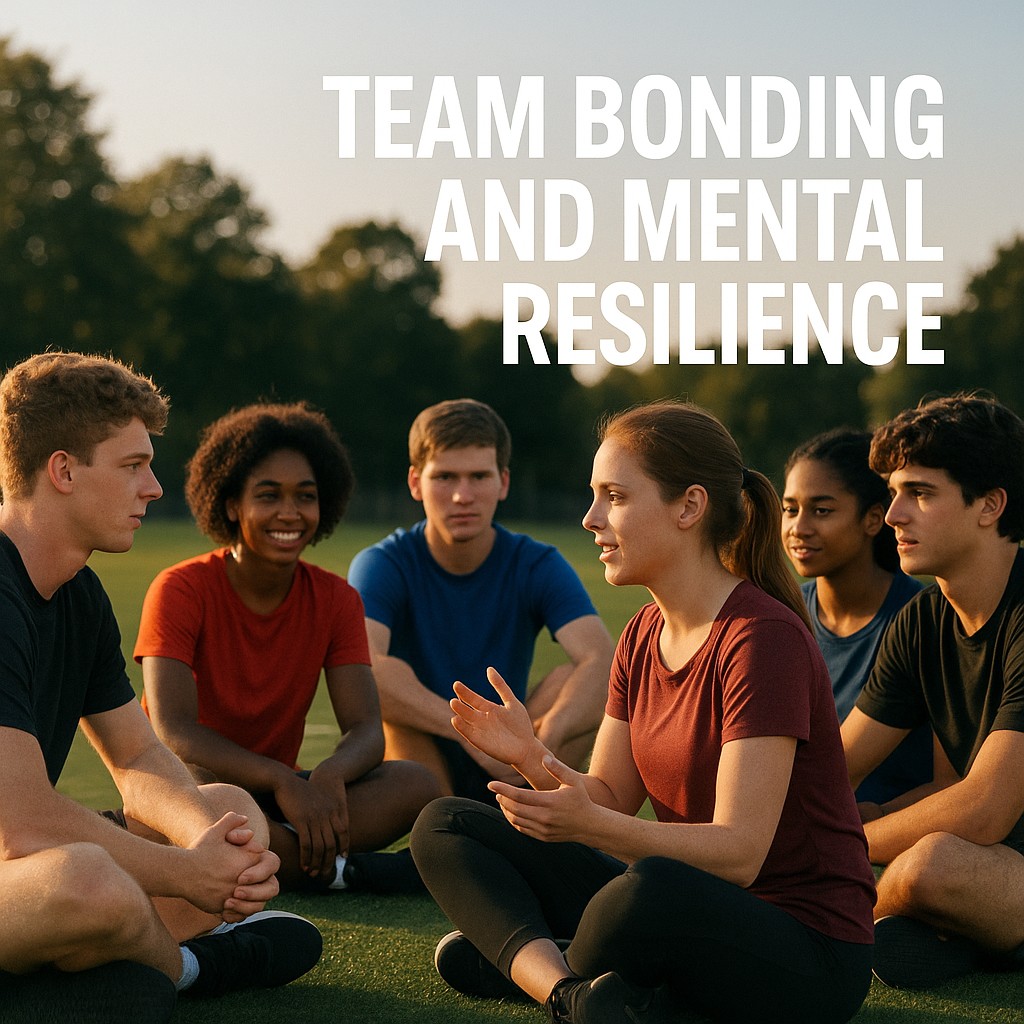
In the competitive world of sports, it’s not just physical strength that leads to victory—it’s mental resilience and strong team bonds that often make the difference. When athletes trust and support each other, they develop the confidence and grit to overcome challenges together.
The Power of Team Bonding
Team bonding refers to the activities, interactions, and shared experiences that strengthen the connection between teammates. These bonds do more than create friendship—they build trust, accountability, and unity under pressure.
Benefits of strong team bonding:
Improved communication and teamwork on the field
Increased motivation and morale
Better handling of wins and losses together
Reduced conflict and competition within the team
Ways to build team bonds:
Shared goals and values
Encourage athletes to discuss what the team stands for and what they want to achieve.Off-field activities
Team dinners, retreats, or even simple icebreakers help deepen relationships.Group challenges or workshops
Leadership games, team-building drills, or mental health sessions foster deeper understanding.Rituals and traditions
Pre-game chants, victory dances, or post-practice reflections bring players closer.
What is Mental Resilience?
Mental resilience is the ability to stay calm, focused, and positive in the face of adversity. For athletes, this means bouncing back after losses, staying strong under pressure, and learning from mistakes.
Key traits of resilient athletes:
Emotional control under stress
Confidence in self and team
Growth mindset: seeing setbacks as opportunities
Perseverance in the face of fatigue or failure
How Team Bonding Builds Mental Resilience
Team bonding and mental resilience are deeply connected:
| Team Environment | Mental Resilience Outcome |
|---|---|
| Trust in teammates | Reduces anxiety and fear of blame |
| Open communication | Encourages athletes to express struggles openly |
| Shared accountability | Builds motivation and determination |
| Supportive culture | Promotes recovery from mistakes |
When athletes know they are supported—win or lose—they’re more likely to take healthy risks, stay composed, and bounce back stronger.
Tips for Coaches to Foster Both
Celebrate effort, not just results
Resilience is built by rewarding persistence and learning, not just wins.Encourage vulnerability
Let athletes share fears, doubts, and pressure—this builds emotional strength.Model resilience
Coaches should handle setbacks with calm and optimism.Pair team goals with personal development
When athletes grow together, the team grows stronger.
Strong teams aren’t just made of talent—they’re built on connection and mental toughness. When athletes bond as a team, they develop the resilience to overcome adversity, stay motivated, and perform at their best—together.