
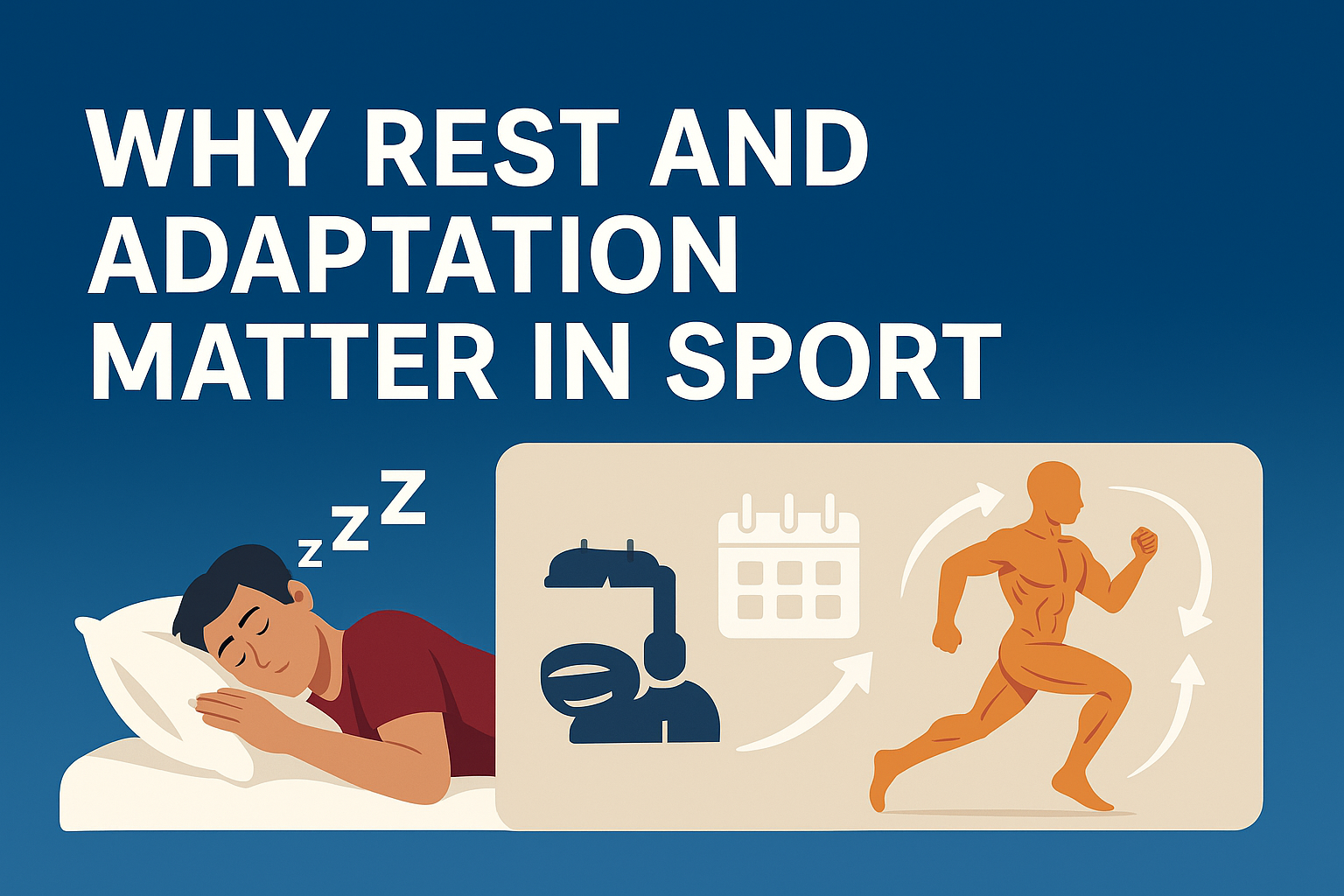
Recovery isn’t just downtime—it’s when the body repairs, strengthens, and adapts. Skipping rest can stall progress, increase injury risk, and blunt performance gains. Here’s why and how to prioritize rest and adaptation in your training.
Introduction
After a hard workout, muscles are fatigued, hormones are imbalanced, and the nervous system is taxed. Rest allows these systems to recover, leading to stronger, more resilient athletes.
1. The Science of Rest & Adaptation
1.1 Tissue Repair & Growth
Micro‑tears in muscle fibers trigger repair processes during rest, especially deep sleep. Growth hormone surges at night support protein synthesis and muscle hypertrophy.
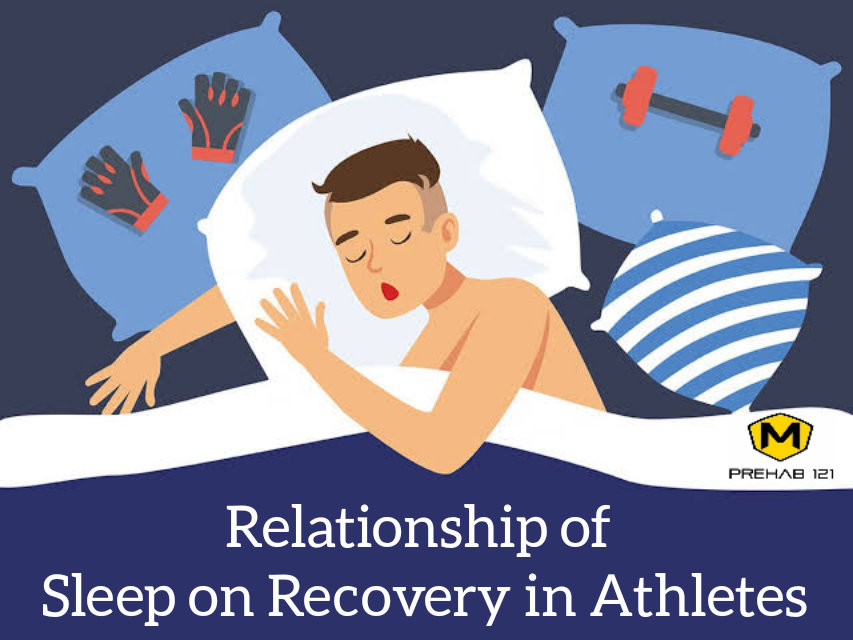
Figure: During sleep, the body secretes hormones that repair muscle tissue and restore energy reserves.
1.2 Nervous System Recharging
The central nervous system (CNS) underpins coordination, reaction time, and force production. Without sufficient rest, CNS fatigue accumulates, leading to poor technique and slower reflexes.
2. Adaptation: The Training Response
Training stress without recovery only generates fatigue. The adaptation curve follows: Stimulus → Recovery → Supercompensation. Proper rest ensures each cycle leads to a higher performance baseline.
3. Practical Strategies for Rest & Adaptation
Prioritize Quality Sleep
Aim for 7–9 hours/night. Create a dark, cool, and screen‑free bedroom to optimize sleep stages.Schedule Active Recovery
Include low‑intensity activities (e.g., yoga, light cycling) on rest days to promote blood flow without adding stress.Monitor Training Load
Use wellness journals or wearables to track fatigue, mood, and sleep. Adjust volume/intensity when signs of overreach appear.Nutrition & Hydration
Consume protein and carbohydrates within 30 minutes post‑exercise to kick‑start repair. Stay hydrated to support metabolic functions.Periodize Your Plan
Build micro‑ and macro‑cycles with easy weeks every 3–6 weeks. This structure prevents plateaus and overtraining.