

Common Sports Injuries & How to Prevent Them
An active lifestyle brings tremendous benefits, but it also carries the risk of injury. At Global Sports Bridge, we believe that understanding the most frequent sports injuries—and knowing how to prevent them—is key to enjoying the game safely.
1. Sprains (Ligament Injuries)
What They Are:
A sprain happens when a ligament (the tissue connecting bones) is stretched or torn, commonly in the ankle, knee, or wrist.
Prevention Tips:
Proper Warm-Up & Dynamic Stretching: Five to ten minutes of dynamic movements (leg swings, arm circles) keep ligaments supple.
Supportive Footwear & Bracing: Use sport-specific shoes and consider an ankle brace, especially if you have a history of sprains.
Balance & Proprioception Drills: Single-leg stands, wobble-board exercises, and agility ladder drills train your body to react quickly to unstable surfaces.
*Image 1: Balance and proprioception exercise on a wobble board (
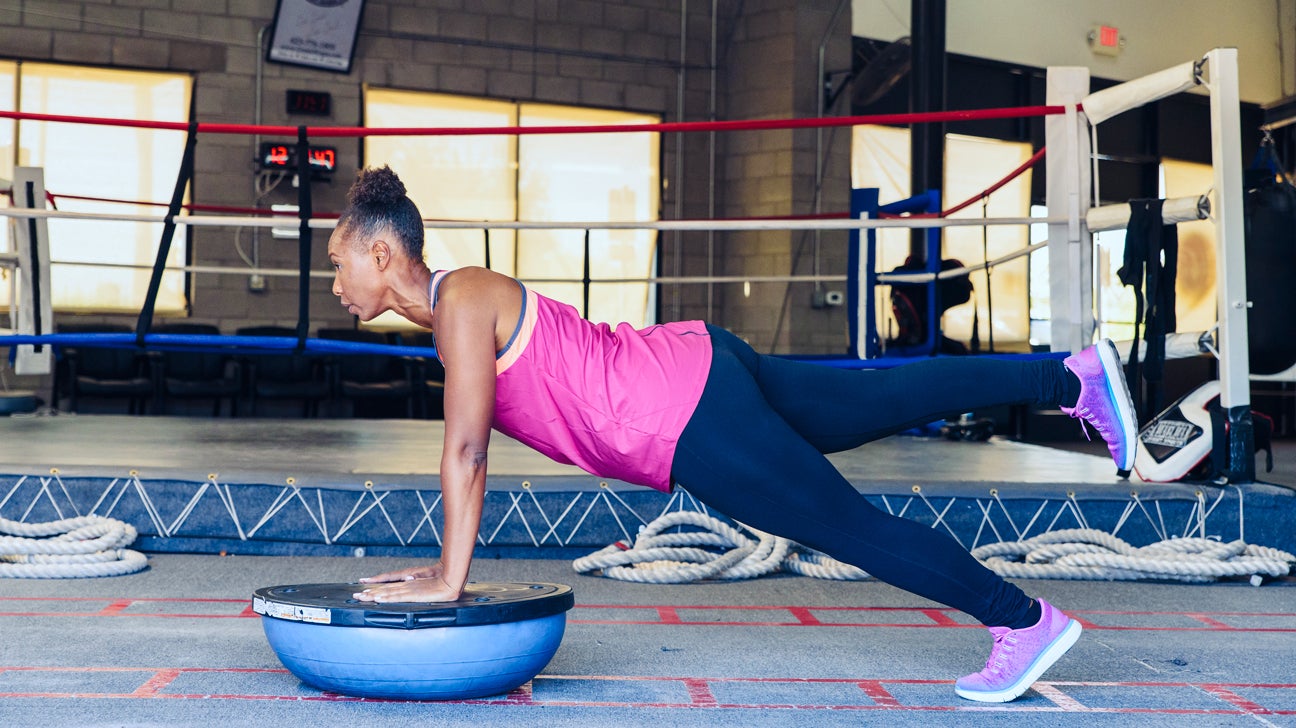
).*
2. Strains (Muscle or Tendon Injuries)
What They Are:
Strains occur when muscle fibers or tendons (which connect muscle to bone) are overstretched or torn. Hamstrings, quadriceps, and the lower back are frequent sites.
Prevention Tips:
Gradual Load Progression: Increase training volume and intensity by no more than 10% per week.
Eccentric Strength Training: Exercises like Nordic hamstring curls build muscle resilience by focusing on the lengthening phase under load.
Post-Workout Static Stretching: Incorporate static stretches for the targeted muscle groups to maintain flexibility.
*Image 2: Athlete performing a Nordic hamstring curl (
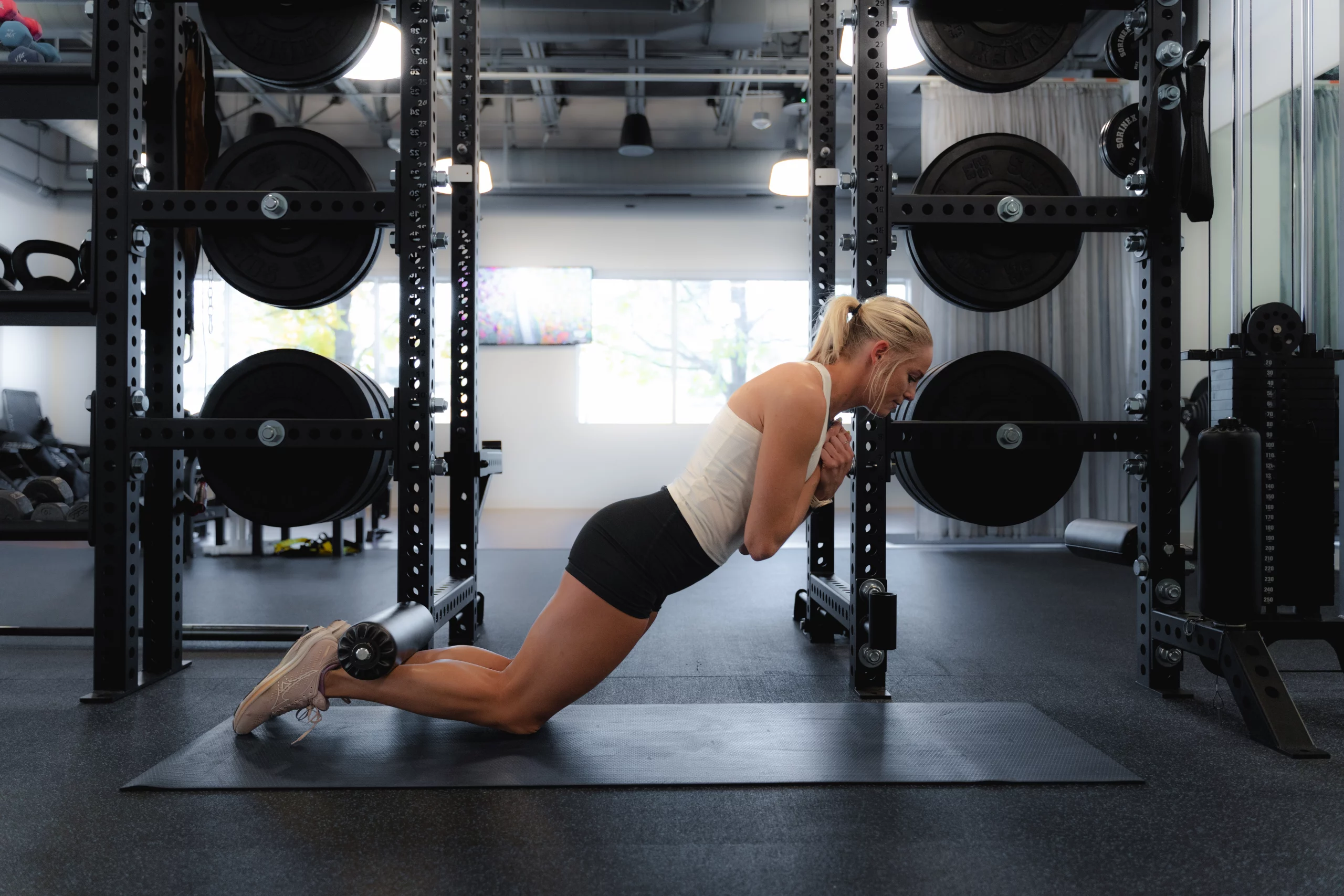
).*
3. Stress Fractures (Overuse Bone Injuries)
What They Are:
Tiny cracks in bone caused by repetitive force—common in runners and gymnasts, affecting the shin, foot, or hip.
Prevention Tips:
Cross-Training: Substitute high-impact workouts (running) with low-impact activities (swimming, cycling) to reduce bone stress.
Nutrition for Bone Health: Ensure adequate calcium and vitamin D intake to support bone remodeling.
Periodization & Rest: Schedule rest days and recovery weeks into training cycles to allow micro-damage repair.
*Image 3: Runner landing with well-cushioned, supportive shoes to distribute impact forces (
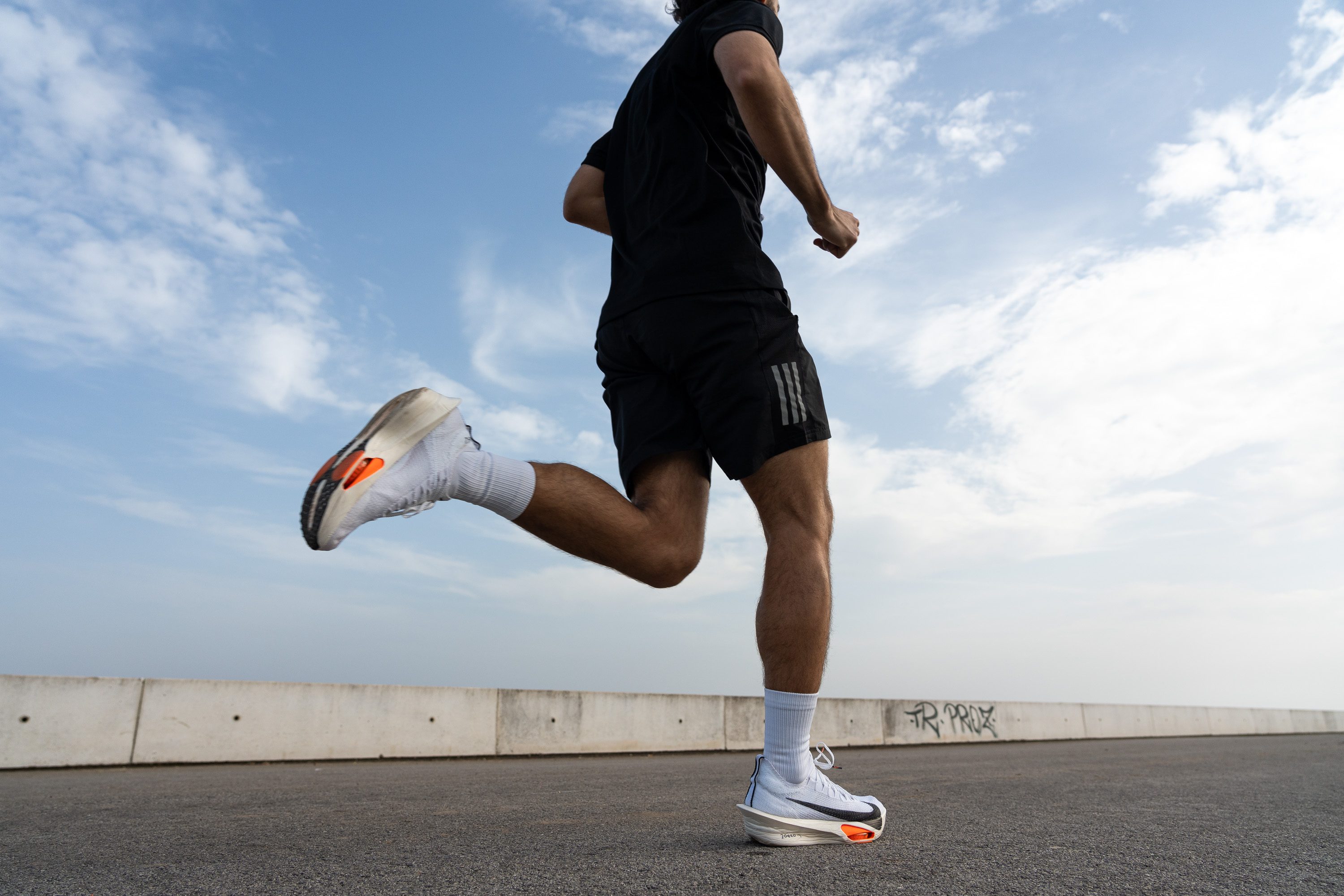
).*
4. Concussions (Traumatic Brain Injuries)
What They Are:
A concussion is caused by a blow or jolt to the head, leading to temporary brain dysfunction. Common in contact sports like football, rugby, and hockey.
Prevention Tips:
Safe Technique Coaching: Teach athletes proper tackling, heading, and collision avoidance skills.
Use Sport-Approved Helmets & Fit Checks: Always wear a well-fitted, certified helmet for your sport.
Follow Return-to-Play Protocols: Adhere to medically supervised, step-by-step return guidelines after any head impact.